Planning food for a repast is a task nobody wants and somebody has to do — usually while grieving, and usually on short notice. This guide covers what to serve, how much, and the format decisions that make the gathering easier on everyone, so you can settle the menu in one conversation and turn your attention back to family.
What Food Is Served at a Repast?
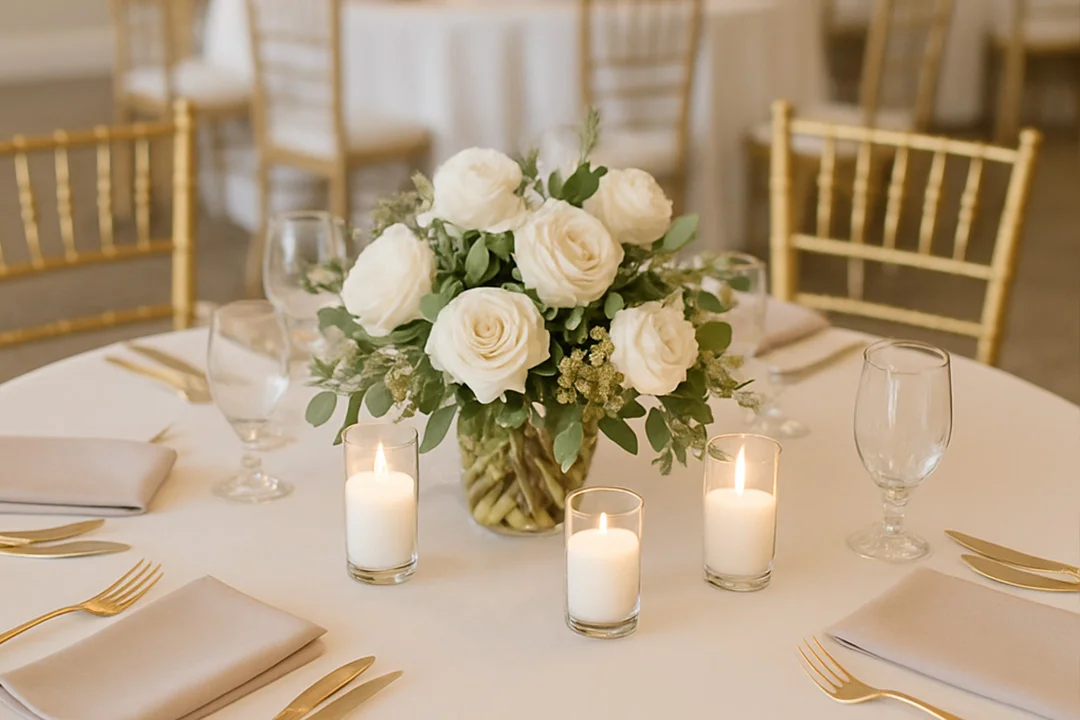
Comfort food, served simply. The most common repast menu is a buffet of familiar dishes: baked ziti or penne, roasted chicken, meatballs, a carved or sliced meat, salad, vegetables, rolls, and coffee with a modest dessert spread. Many families draw from tradition — Italian families lean pasta-heavy, Southern and soul-food traditions bring fried chicken, mac and cheese, and greens — and that's exactly right: the food should feel like the family's table, not a catered event. Nobody reviews the menu at a repast; they remember whether they were fed and welcomed.
Buffet or Plated Service?
Buffet, almost always. Guests arrive from the cemetery at different times, some stay twenty minutes and some stay three hours, and a buffet absorbs all of it without forcing a schedule. Save plated service for a small, immediate-family-only luncheon where everyone sits down together. A beverage station with coffee, tea, and soft drinks should run the entire time — and if the family wants a toast, a modest bar or wine service is entirely appropriate.
How Much Food Should You Order?
- Estimate attendance at 60-80% of the funeral service crowd — not everyone continues to the repast
- Order buffet quantities for the full estimate; running out is the one mistake guests notice
- Plan for a 2-3 hour window with food available throughout, not a single seating
- Include at least one meatless entrée and one lighter option for older guests
- Ask the venue or caterer to pack leftovers for the immediate family — it's customary and appreciated
Who Pays for the Repast?
Traditionally the immediate family hosts, often supported by contributions from siblings or adult children who split the cost. In many communities, the church hosts a simpler reception in the parish hall with dishes from congregation members. There is no wrong version — the etiquette that matters is covered in our repast etiquette guide, and if you're unsure of the word itself, we've covered repass vs. repast too.
Letting a Venue Carry It
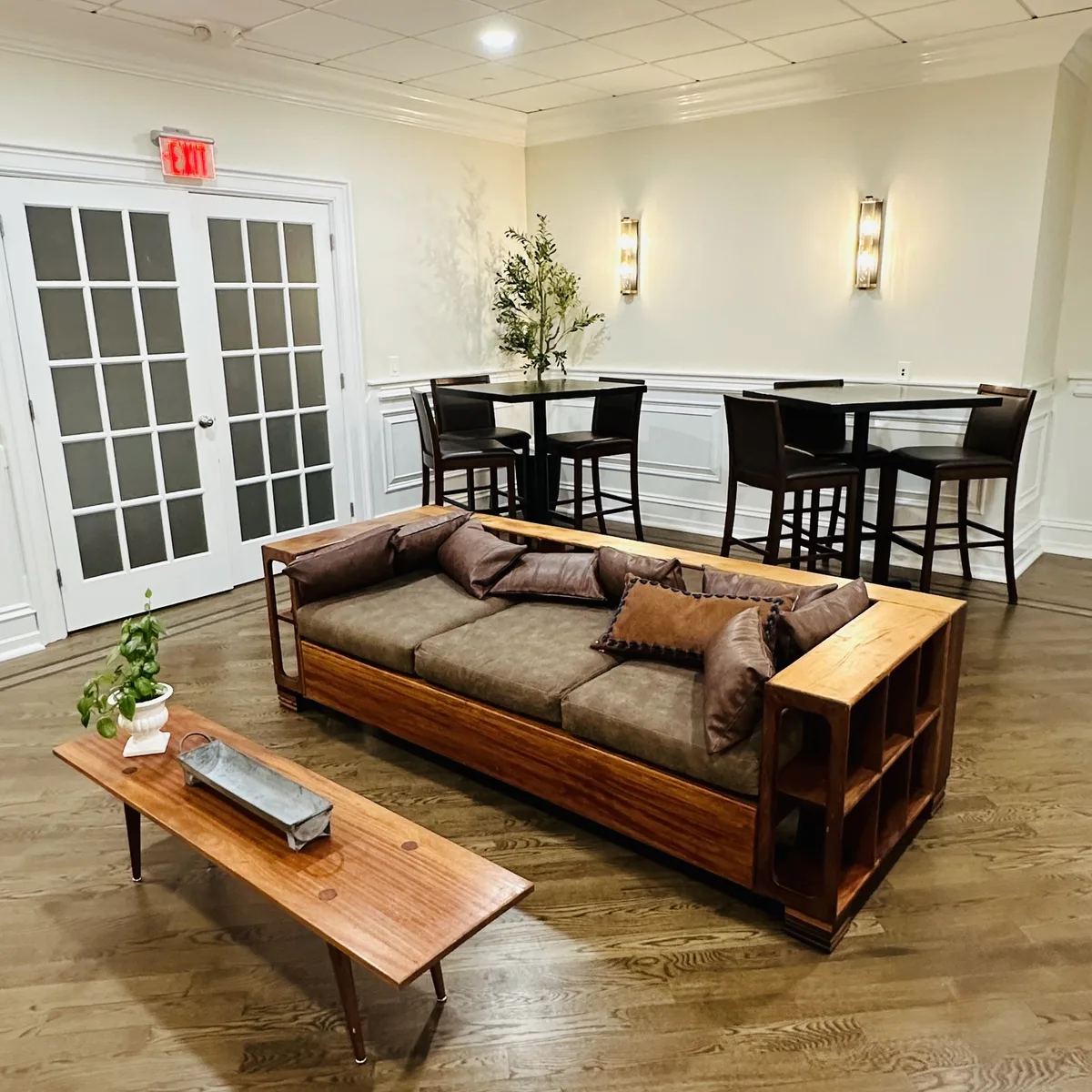
The quiet advantage of holding a repast at a venue instead of a home: someone else sets up, serves, refills, and cleans while the family sits with their people. Branches Events in West Long Branch offers a dedicated repast menu with comfort-food buffets, same-week booking when timing requires it, and a private, peaceful room where the gathering can run at its own pace. One call settles the food, the room, and the timing.